
Lydian Vineyard Route
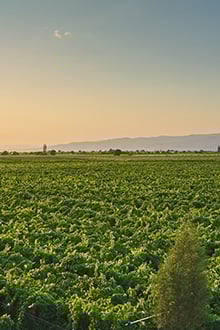
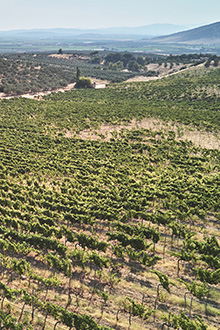
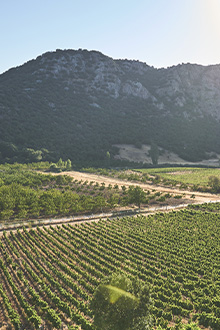
Blessed by the fertile waters of the Gediz River, the lands of Lydia have been the heart of agriculture and viticulture for centuries. The traces of winemaking in the region date back to the Neolithic Period, with 6,000-year-old vessels unearthed at Ulucak Höyük. From the 9th century BCE onward, grapes and olive oil were exported across the Mediterranean through the ports of the Aegean. With the rise of the Lydian Kingdom in the 8th-7th centuries BCE, exquisite drinking vessels were produced in Sardis, and one of the most valuable legacies of this culture, the Treasure of Croesus, is today displayed at the Uşak Museum.
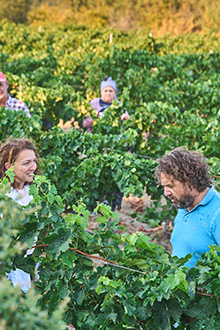
This rich heritage forms the essence of the Lydian Vineyard Route. The producers along the route keep the ancient winemaking tradition alive while blending indigenous and innovative grape varieties with modern techniques—introducing the distinctive character of the Aegean to the world.
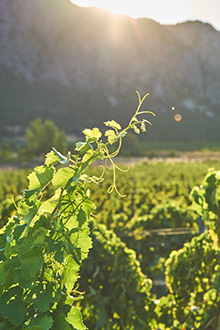
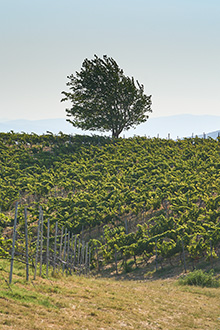
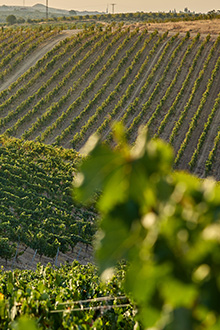
Among the fertile vineyards of Lydia, indigenous varieties such as Sultaniye, Bornova Muscat, Boğazkere, Öküzgözü, Çal Karası, and Karasakı thrive; grapes that have carried Anatolia’s winemaking memory for millennia. Sultaniye, with its golden-hued clusters, is cherished both as a table and wine grape and has become the emblem of the “Land of Golden Vines.” Bornova Muscat represents Lydia’s elegant whites with its citrus and floral aromas, while Boğazkere and Öküzgözü form the heart of Anatolia’s robust reds. Çal Karası reflects the modern face of the Aegean with its fresh and lively structure, while the revival of Karasakız by Heraki underscores the continuity of local heritage.
These native varieties serve as a cultural bridge connecting Lydia’s past to the present. Yet, this land stands out not only for its heritage but also for its bold steps toward the future. Innovative grapes such as Solaris, Cabernet Mitos, Cataratto, Nebbiolo, Nerello Mascalese, and Patkara embody the region’s experimental and research-driven approach to viticulture.
Nif Vineyards, the first in Türkiye to cultivate Solaris, produces aromatic and vibrant whites under the cool Bozdağ winds; their Cabernet Mitos experiments, with deep colour intensity, reflect the region’s scientific spirit of production. The Sicilian-born Cataratto gains a mineral character in the lava-shaped soils of Yanık Ülke, while Sobran Vineyards has processed Nebbiolo grapes in Türkiye for the first time into white, rosé, and dessert styles. The volcanic terrain of Yanık Ülke also embraces Nerello Mascalese and Nerello Cappuccio, proving the region’s terroir potential on an international level. Patkara, rediscovered by Heraki, stands out as a light-bodied, vibrant red that remains faithful to its local roots, symbolising the innovative side of Lydian viticulture.
Today, the Lydian Vineyard Route unites the historical heritage of these ancient lands with the inventive spirit of modern winemaking. Each vineyard transforms wine crafted in these myth-laden soils into not merely a drink, but a story of culture and continuity that has endured for thousands of years.